Thirty nine years ago in 1986 the very first brewers conference was held; undoubtedly a significantly smaller affair than this year’s conference in Portland which, at over 11,000 attendees from more than 1,700 breweries, is 22% bigger than even last year’s conference.
Here are some of the highlights from this morning’s opening remarks:
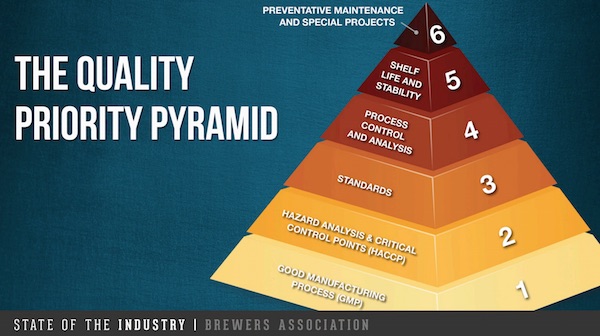
Last year’s opening remarks focused heavily on quality concerns in the industry. While a much smaller talking point this year, Director Paul Gatz did state that “People who aren’t focused on quality really don’t belong in this community.” The Brewers Association is producing a quality book for members later this year, as well as adding a dedicated quality advocate to their staff.
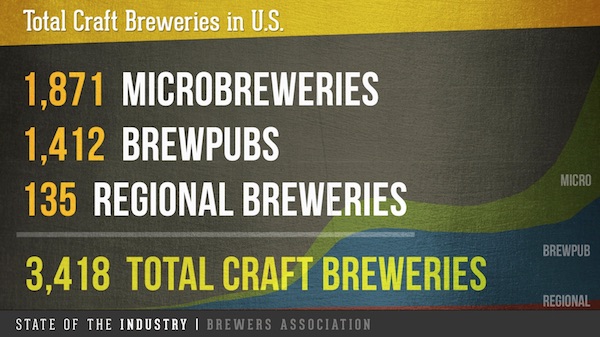
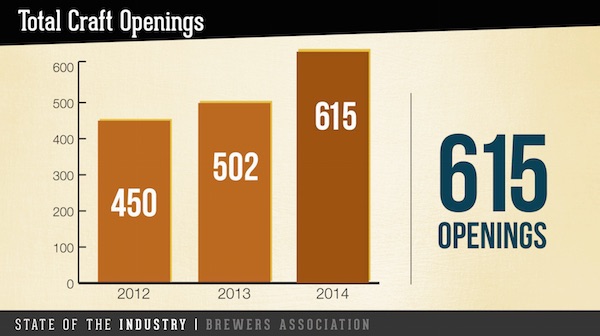
In addition to the 3,400 breweries currently operating, there are another 2,000 breweries in planning – however, Gatz pointed out that there were about 500 added to that in 2013 and only 300 in 2015, so new brewery openings may be leveling out or starting to decline.
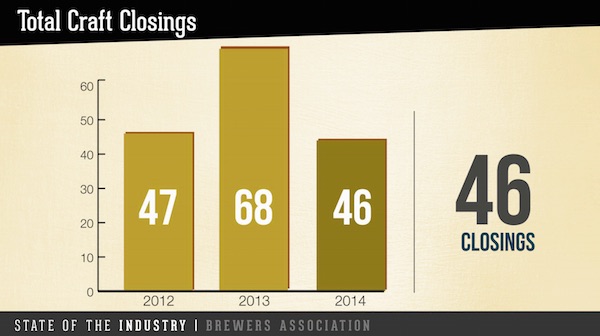
Economist Bart Watson remarked on the 46 brewery closings in 2014 as a trend we can expect to see increase – “There are going to be more closings in the future. With more than 3,400 breweries operating, it’s natural some of them are going to reach the end of their market life. This is not an indication of problems in the industry.” Conversely, Watson shared that of all the brewpubs (that is, breweries that are also restaurants) that have ever opened, 50% are still open. In the overall restaurant category, 60% close within the first three years.
Though large breweries acquiring small breweries is an occasional occurence that attracts lots of coverage, private equity companies buying into craft breweries is an bigger trend – though not currently one getting much public attention. “Is this going to impact the overall view of the craft segment when people realize there’s some bigger money behind it?” Gatz questioned. Note that to be considered a craft brewery by the Brewers Association, no more than 25% percent of the brewery can be owned by a non-craft brewery, so this trend could also cause breweries to be de-classified as “craft” unless the association definition is changed. It was revised in 2014 to remove language about adjunct ingredients, which allowed Yuengling to join the Brewers Association.
Menu labeling for chain restaurants will be taking effect next month, which will require calorie and ingredient information for craft beers sold in those chains to be listed. Presently most craft breweries don’t track this data, so they would be required to arrange additional testing. Additionally, displaying calories on menus may cause consumers to drink less, or choose different alcohol options; according to data shared by Gatz, an average “regular” beer contains 153 calories. Additional federal issues currently affect craft brewers regard the Small Brew Act, which seeks to reduce the federal excise tax for craft breweries, as well as regulations regarding spent grain.
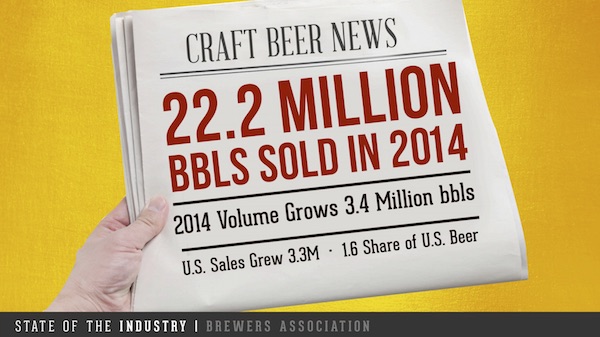
Here are some of the slides from the opening remarks